What are the Advantages of Modular Design Systems?
Consistency | Efficiency | Scalability
What is a Modular Design System?
A modular design system is like a construction kit for digital products and their application. It consists of standardized, reusable building blocks such as UI components, patterns, design values, and defined interfaces that interlock in both design and technical implementation. These building blocks follow a clear conceptual and technical architecture so that they can be flexibly combined and used in different contexts.
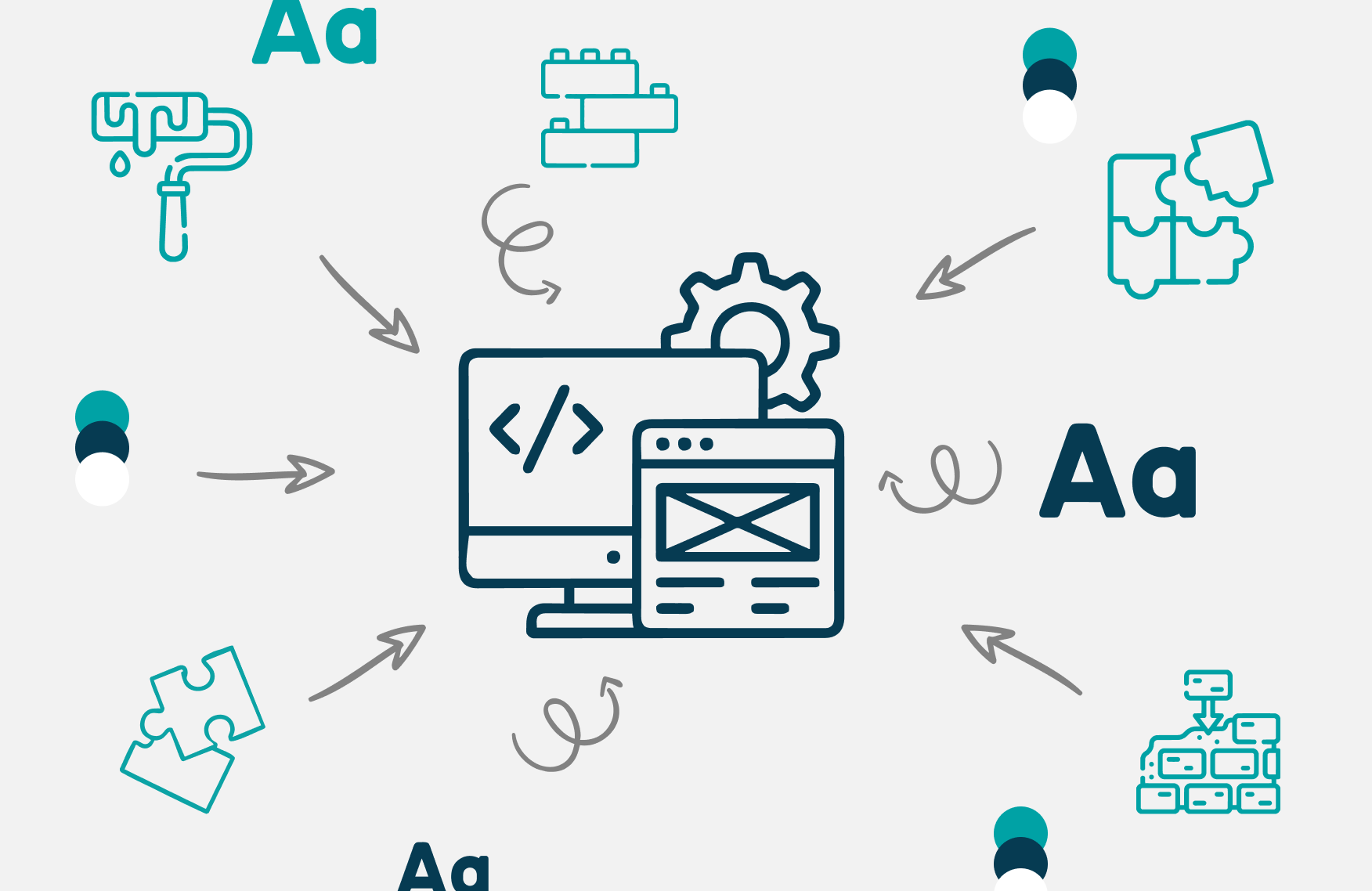
The goal of using a modular design system is to ensure consistency, efficiency, and scalability in design and development. In short, instead of redesigning or redeveloping every page or feature, design and development teams can leverage proven, reusable elements and features that can be easily adapted to new requirements or scaled across different platforms.
Consistent Design and Modularity are crucial today
In an increasingly digital world, every detail counts. Users expect a smooth, consistent experience—regardless of whether they are interacting with a website, an app, a configurator, or a platform. A consistent design not only strengthens a company's brand, but also builds trust and makes it easier to find your way around.
Especially in large digital projects in companies involving multiple teams, a lack of structure quickly leads to inconsistencies. Without a clearly defined design system, changes have to be implemented in many places and across different teams. This increases the coordination effort, impairs quality, and slows down further development.
This is where the modularity of a design system comes into play. Modular design systems offer a well-thought-out toolkit of reusable UI components, design guidelines, and patterns with clear interfaces. This allows digital products to be designed more efficiently, consistently, and, above all, scalably. This not only saves time and resources in development but also improves the user experience (customer experience) in the long term.
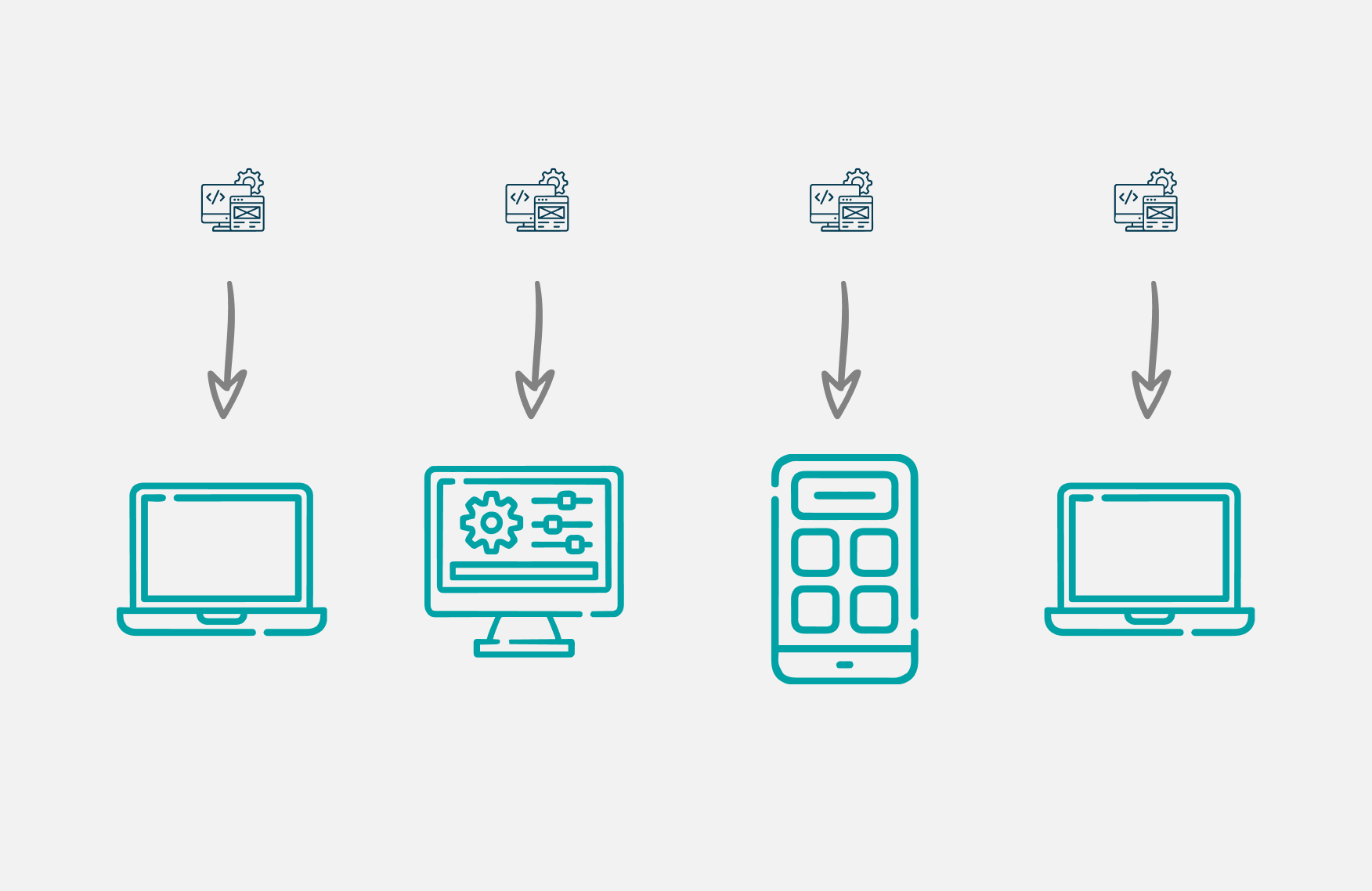
Vs.
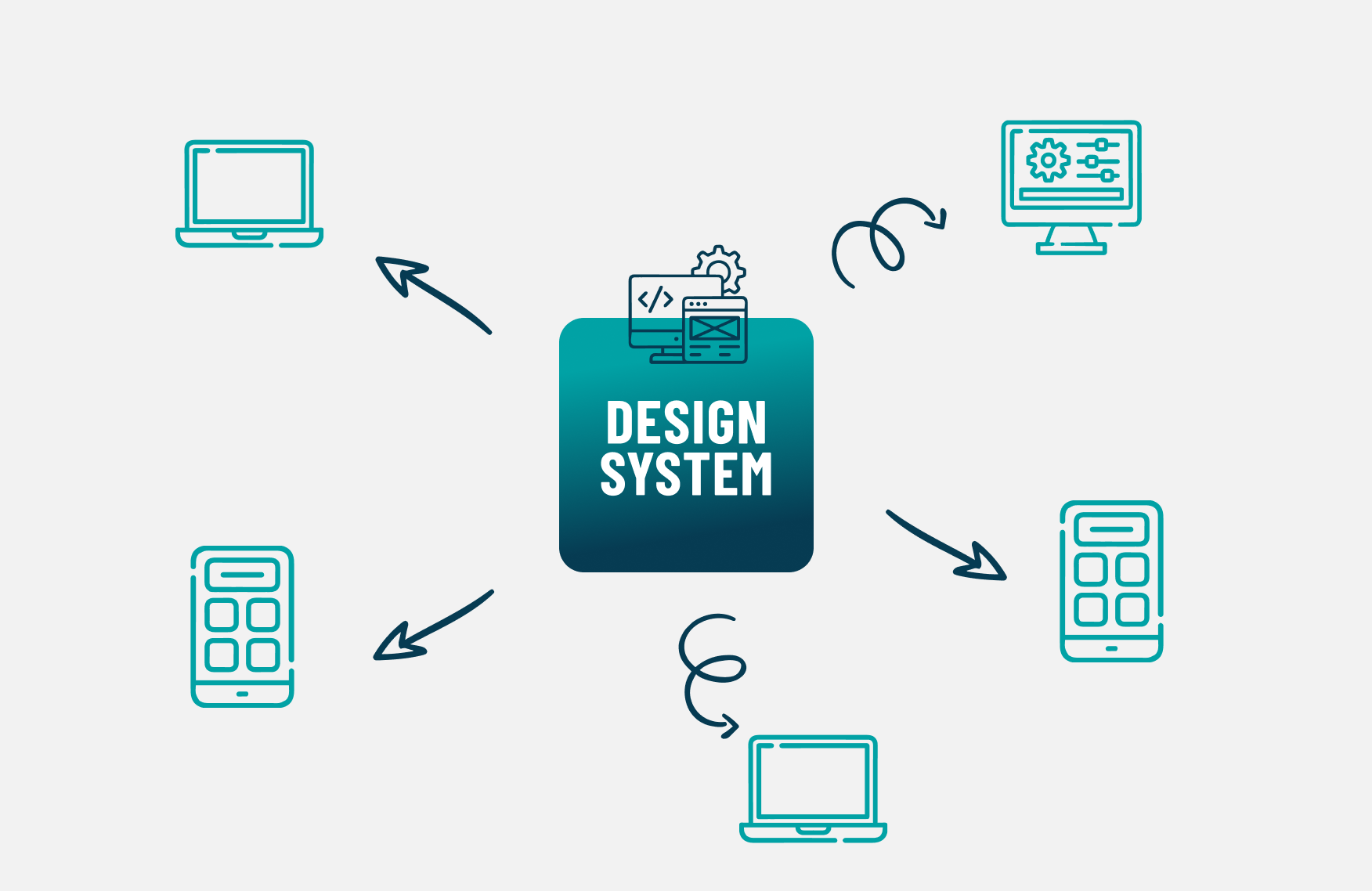
What parts make up a modular design system?
A modular design system consists of individual design modules that can be used repeatedly in a company's user interfaces—such as buttons, form fields, typography, spacing, or icons. These elements are designed to work in different combinations within a clearly defined design and system architecture without having to rebuild everything from scratch each time.
So-called design tokens form a central basis. These are defined values such as colors, font sizes, or spacing that are maintained centrally. Instead of storing these values manually in each application, they are used system-wide. For example, a color change can be made in one place and automatically affects all connected interfaces and surfaces. This reduces complexity, saves resources, and ensures consistent consistency.
Clear guidelines are also crucial for a functioning design system. These describe how components are used, how accessibility is taken into account, and how layouts behave on different screen sizes. In addition, a style guide defines the visual language. A well-documented design system ensures that all teams—from design and development to product management—work on the same basis.
These are the advantages of a modular design system
The main advantages can be divided into three areas:
Consistency – a uniform appearance
- Reusable components ensure that colors, typography, and controls are consistent across all applications.
- Users experience a coherent interface that inspires confidence.
- Clear rules prevent designs from drifting apart between different teams or projects.
Efficiency – faster working
- Teams can use existing building blocks and defined interfaces instead of developing new solutions.
- Collaboration between design and development is easier because the design system creates a common language.
- Maintenance and further development are improved, and innovations can be implemented faster.
Scalability – grow more easily
- New features or applications can be implemented more quickly because a stable framework is in place.
- Design or brand adjustments can be controlled centrally in the design system.
- The architecture of the system grows with the requirements of the company without losing clarity.
For companies, the use of modular design systems means higher product quality, fewer errors, and a robust foundation for sustainable growth in the long term. A design system is therefore not just an operational tool, but a strategic success factor for digital product development.

What actually is UX design?
User Experience Design explained - short and sweet! UX design starts with the user. It is about the experience that the user has when interacting with a system, product or service of a company. Only those who understand exactly what the user wants and what their goals are can develop a good product for them.
5 aspects that influence the user experience
Offer your users a positive experience Do I like what I see? Am I having fun using it? Can I build trust? Are my expectations met? These are all aspects that more or less consciously contribute to the user experience and influence how well a product works for users and whether they would and want to interact with it again.
Blog