Outstanding Websites & Digital Experiences
Building websites with state-of-the-art tech
Customized experience for measurable results
With our services, we support you from the initial idea through to implementation and maintenance of your solution. As an agency, we design and develop professional websites — not with WordPress templates, but with scalable CMS solutions such as Sanity or Strapi. We analyze your target audience’s customer journey and create personas to design an engaging user interface. After all, design and customer experience are key factors in the success of any digital presence.
Websites and landing pages your users will love
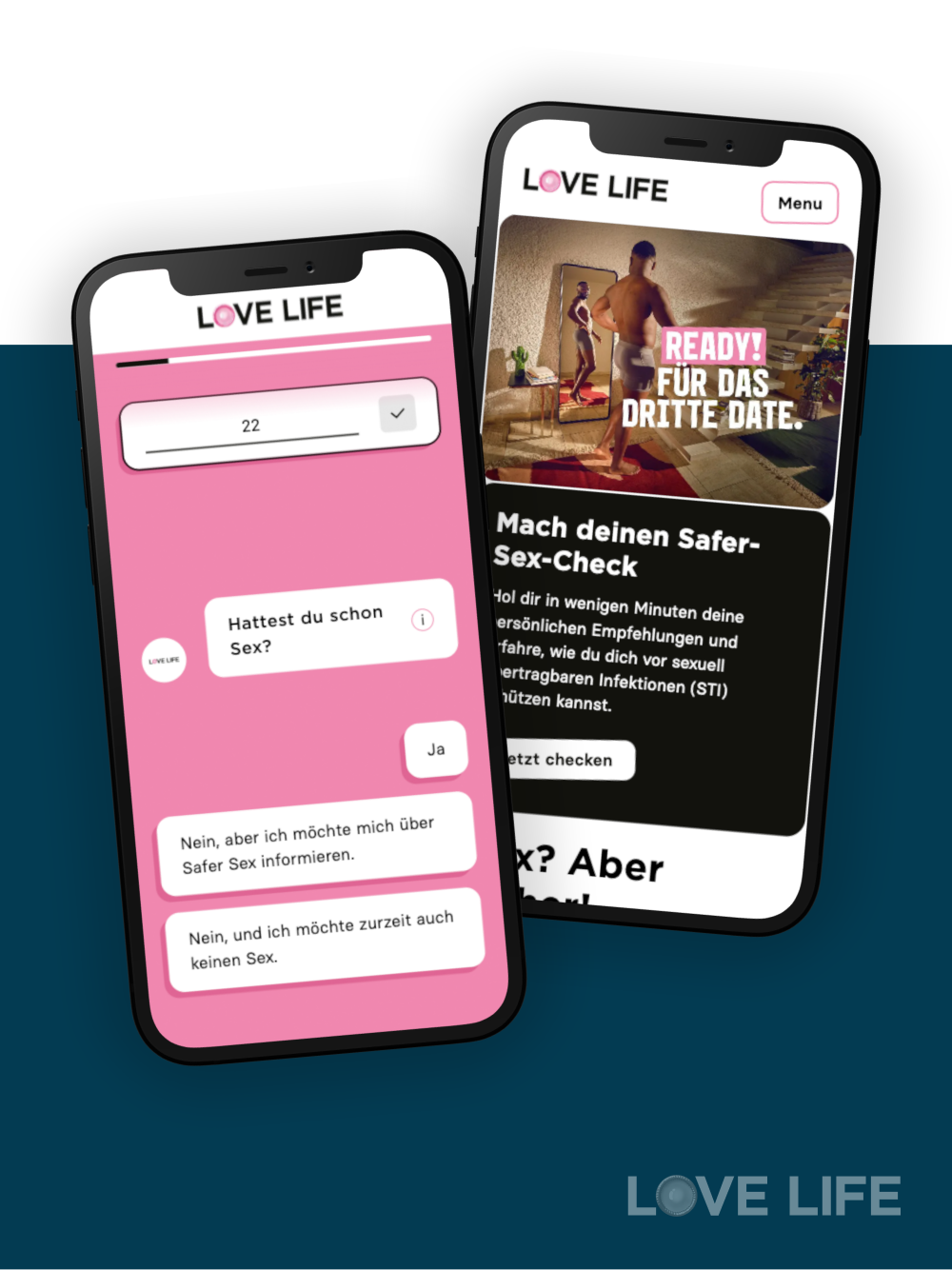
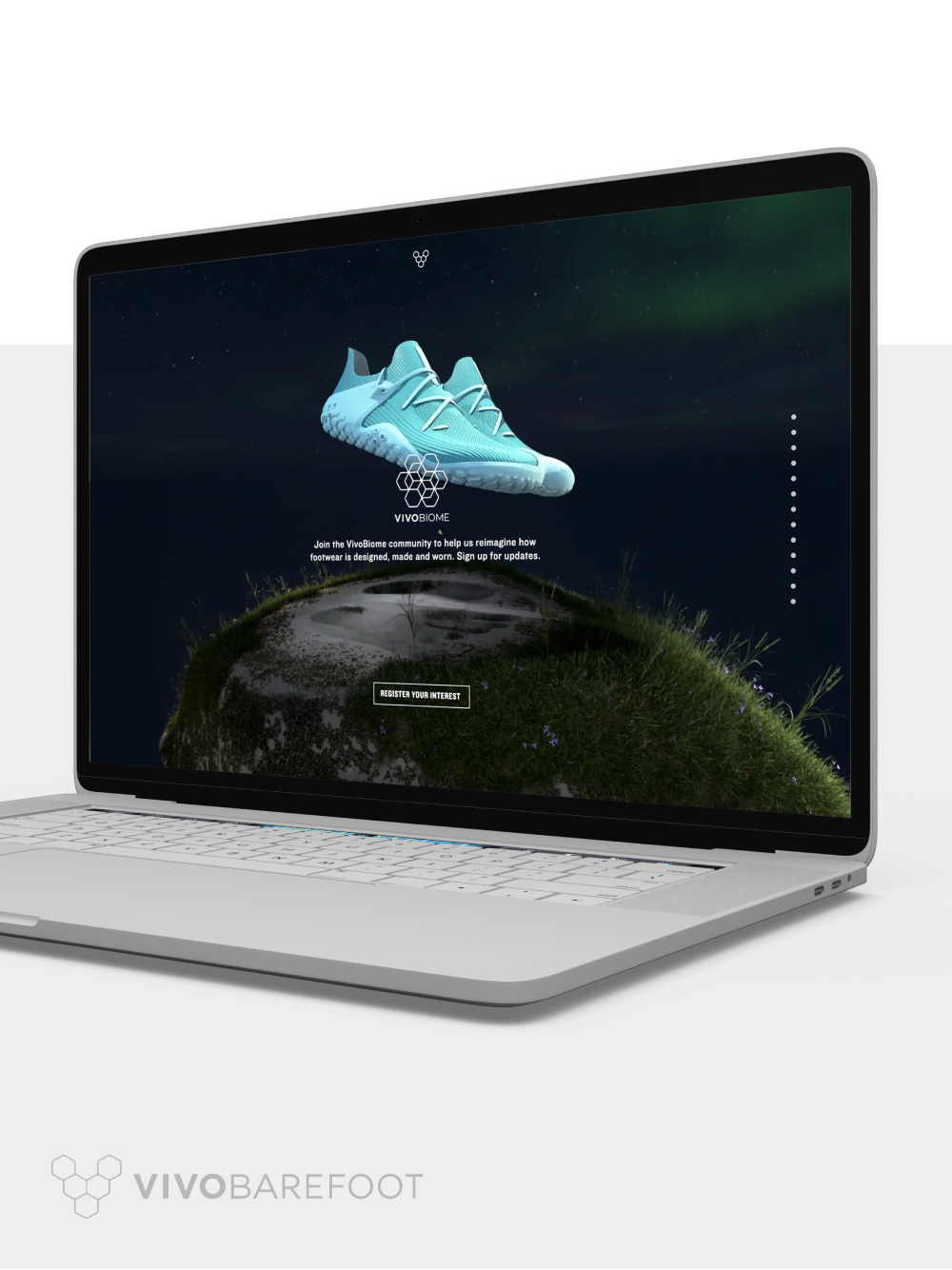

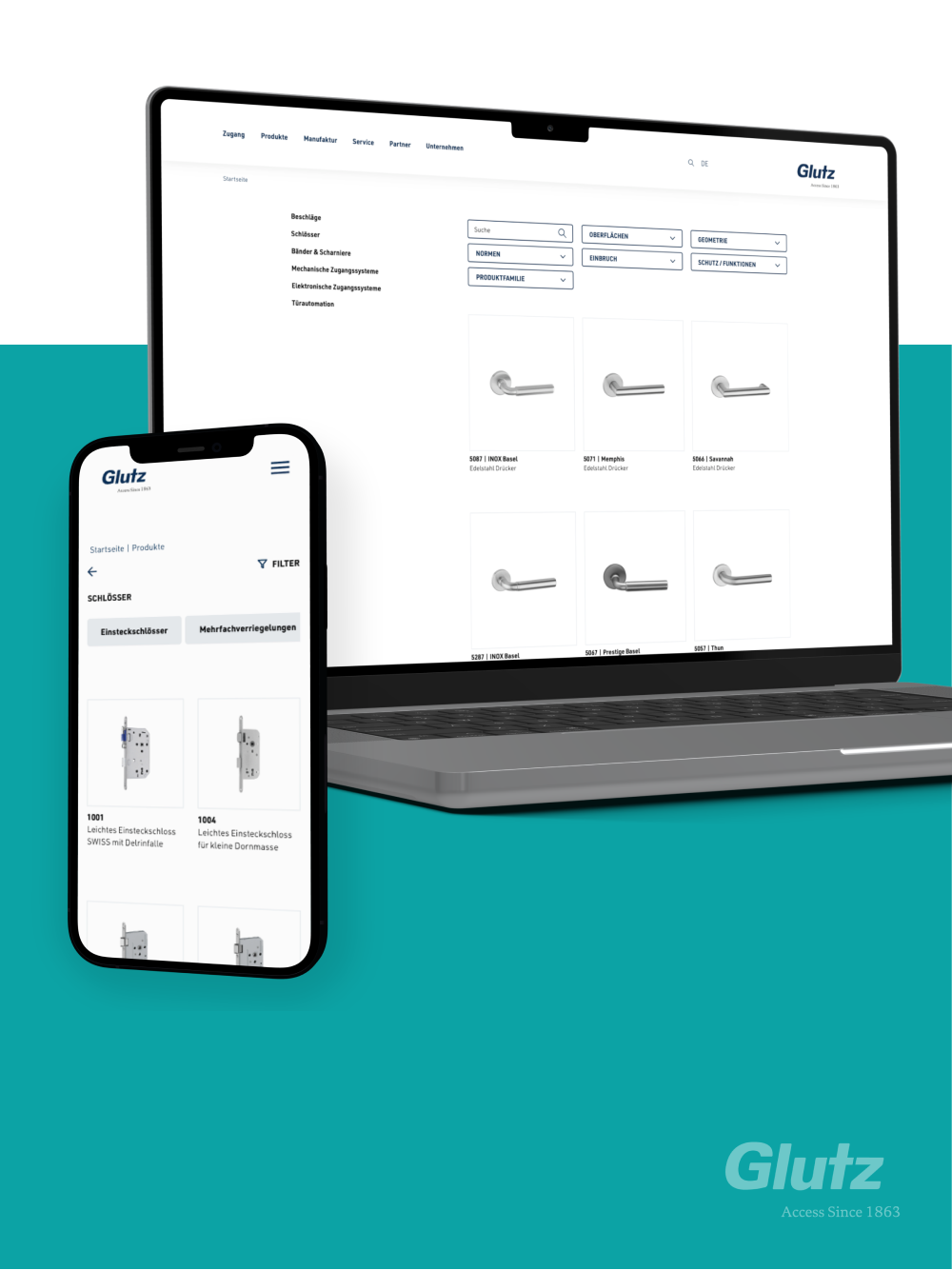
References
Our Expertise in Digital Presence
Corporate Website
Microsites & Landingpages
Why Sitewerk is the optimal partner for your new website
Every website we create is unique
Our web designs are unique. We don’t work with templates or pre-made layouts. Every design is custom-tailored and developed specifically for your needs.
A full-service web agency
We support you throughout the entire process — from analysis and concept to design, development, hosting, and performance measurement.
Our software grows with your needs
We develop your website in a modular and scalable way using the latest technologies. Thanks to our well-structured architecture and open interfaces, your website can be adapted and expanded at any time.
Technichal SEO
A website must be understood not only by users but also by search engines. We help you implement all technical SEO requirements.
Services
FAQ - frequently asked questions
- Which companies benefit from a new website or a relaunch?
A website relaunch is particularly valuable for companies with extensive content, multiple target audiences, or international markets. Typical examples include organizations with many pages, product information, campaigns, or multiple websites. A modern platform helps manage content more efficiently, simplify editorial processes, and better support digital marketing and sales activities.
- When does a website relaunch make sense?
A relaunch is often necessary when the existing website is technologically outdated, content is difficult to manage, or new requirements can no longer be implemented. Changes in business strategy, expansion into new markets, or the introduction of additional digital services can also make a new website platform necessary.
- Which systems are typically integrated into a website?
Modern websites are often part of a broader system landscape. Typical integrations include content management systems, marketing automation tools, CRM systems, product databases, or digital asset management systems. These integrations allow content, data, and processes to be used efficiently across multiple systems.
- How can a website remain scalable in the long term?
Scalability is mainly achieved through a flexible architecture and a well-structured system landscape. This includes modular content structures, API-based integrations, and scalable hosting environments. With this approach, a website can easily grow as requirements evolve—whether through new features, additional markets, or expanded digital services.
- How is a website structured for multiple markets or languages?
International websites require a structured content architecture that supports different countries, languages, and brands. Modern CMS platforms support multilingual content, country-specific variations, and centralized content management. This allows global content to be managed efficiently while still enabling local adaptations.
- How can website performance and security be ensured?
Performance and security are critical factors for large-scale websites. This includes optimized loading times, scalable infrastructure, secure authentication, and regular system updates. Monitoring and analytics tools also help detect potential issues early and ensure continuous optimization of the website.
- How does a website evolve after launch?
A website is not a one-time project but an ongoing digital platform. After launch, content is expanded, new features are added, and user experiences are continuously improved. Through regular analysis, testing, and development, the website can evolve alongside changing business requirements.
- Which technology is best suited for a large enterprise website?
The “best” technology does not depend on a single system but on the requirements for scalability, integrations, and governance. For large websites, flexible architectures are essential—such as API-based or modular systems that integrate with existing CRM, PIM, or marketing platforms. The key is a solution that can evolve over time, support international structures, and reliably manage complex editorial processes.