Why B2B Companies must now Focus on a Digital Customer Journey
Innovate or go home!
Digital Customer Journeys in B2B as a Response to C hanging Customer Expectations
The world of B2B is changing rapidly. Digital technologies are developing faster than ever, markets are becoming more international, and competition is intensifying. At the same time, customer expectations are rising noticeably. What used to be considered an acceptable standard is no longer enough today —especially when B2B customers are increasingly applying digital standards from the B2C environment.
Companies that continue to rely on rigid processes, manual workflows, or purely transactional online shops risk falling behind.
A consistently designed digital customer journey in B2B is thus evolving from a nice-to-have to a strategic necessity.
Innovate or go home. Sounds provocative? It's meant to. Because in times of digital competition, standing still is a direct path to irrelevance.

Customer Expectations in B2B have changed Fundamentally
Today's modern B2B customers expect the same convenience they enjoy in the B2C environment:
- Simple, intuitive processes
- Quick availability of information and prices
- Personalized content and services
- Consistent experiences across all digital touchpoints
- Genuine self-service options with added value
These expectations clearly show that digital commerce in B2B can no longer be viewed purely in functional terms. It is not enough for processes to run correctly from a technical standpoint or for systems to perform their tasks in isolation.
What is crucial is a customer-centric customer journey experience that intuitively guides users, provides orientation, makes complex processes understandable, and builds trust through consistent interactions.
This is precisely where customer centricity becomes a key success factor.
B2B Purchasing Decisions start Digitally, Comparatively, and Experience-Oriented
Today, most purchasing decisions in B2B start digitally (e.g., touchpoints such as Google searches, manufacturer websites, comparison portals, or self-service configurators) – often long before any personal contact with sales is established.
B2B customers independently gather information through various channels, compare providers, configure solutions, and prepare decisions. The digital customer journey in B2B thus begins much earlier than many companies assume.
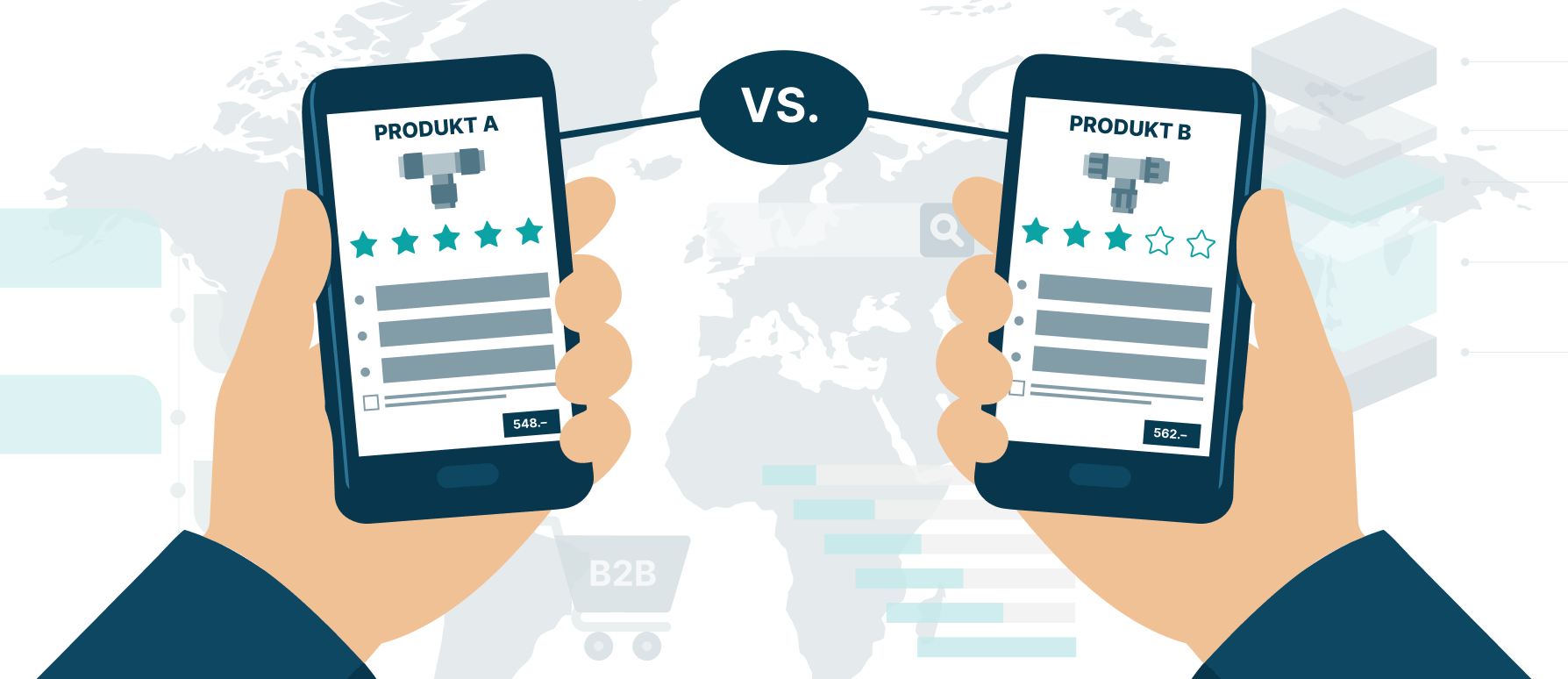
The desire for autonomy does not rule out personal consultation at a later stage, but rather complements it in a meaningful way. It is crucial that digital touchpoints provide guidance and do not become obstacles.
A complicated order form, long response times, or a lack of personalization not only seem outdated, but quickly become reasons for abandoning the purchase.
Those who fail to offer a compelling, customer-centric digital experience in B2B are often no longer considered in the decision-making process.
Comparable Products, increasing Price Pressure. Where real Differentiation arises
For many B2B companies, it is becoming increasingly difficult to differentiate themselves based on their product alone. In many markets, services and products are technically mature, comparable, and interchangeable. Differentiation based on price is neither sustainable nor strategically sensible, especially for Swiss companies.
This is precisely why the decisive difference is increasingly emerging alongside the product:
- Through positive experiences from the first contact, through consultation, to purchase and operation.
- Additional services to complement the product.
- Significantly easier access to information, offers, and solutions.
Today, it is often not only what is purchased that is decisive, but also how easily accessible the product is, how transparent the decision-making process is, and how smoothly the purchase goes. Digital customer journeys are thus becoming a competitive factor in themselves.
This is where digitalization offers enormous potential: it makes it possible to explain complex products in an understandable way, intelligently supplement services, and actively support customers throughout the entire customer journey – long before a personal conversation with sales takes place.
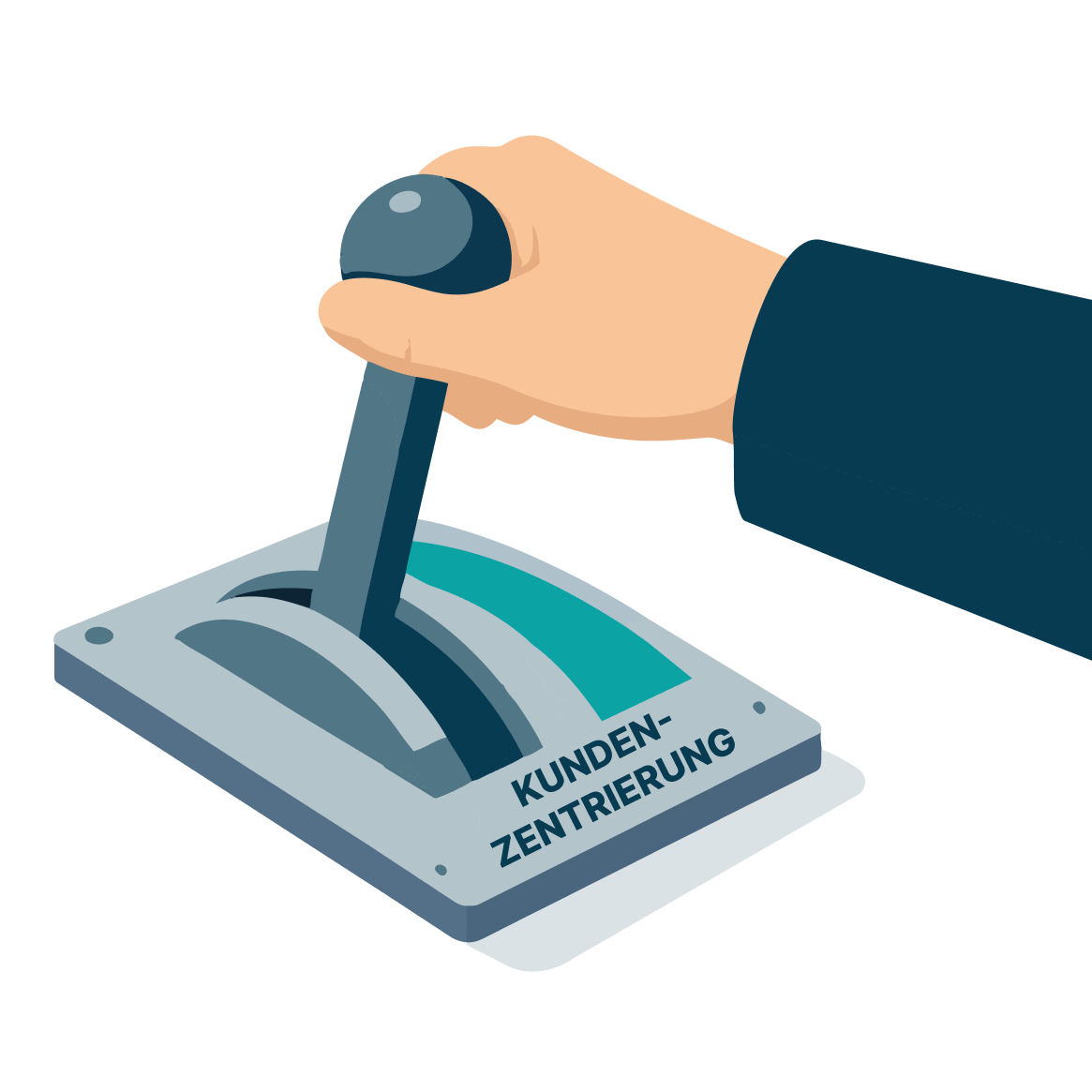
Customer Centricity as a Strategic Lever in B2B
Successful companies consistently place customer centricity at the heart of their digital strategy. It's not about technology for technology's sake, but about the targeted creation of added value throughout the entire digital customer journey in B2B.
A strong digital commerce experience in B2B means:
- Relevant content at the right time
- Personalized offers based on role, industry, or need
- Seamless processes from information to completion
- A consistent user experience across all channels
Technologies are enablers in this process. The real differentiating factor is a deep understanding of the needs of B2B customers—and the ability to translate this understanding into well-thought-out, customer-centric digital experiences and services.
Related Content on the Digital Customer Journey in B2B

B2B Sales is changing
B2B sales is undergoing a major transformation. Digitalization and the new customer experience for B2B customers are central to this. The purchasing process must be adapted to changing customer needs. B2B customers expect digital touchpoints and omni-channel customer journeys just as much as end customers do.

Blog