Incredibly Fast and Dynamic Websites with Headless CMS
JAM Stack Websites
JAM stack websites for more security and performance - seamless integration for every touchpoint in just one platform
Headless CMS are all the rage, and for good reason. Headless should not be translated as “headless” here, but rather it means that many different “heads” can be placed on this CMS. The decoupling of the backend from the frontend opens up the possibility of setting up expandable and flexible web applications with microservice structures, which score with a high level of usability and adaptability. So there is not just one purpose (websites), but many different ones (phones/smartphones, smartwatches or emerging technologies such as voice-controlled assistants, virtual reality headsets, APP, e-commerce).
The backend of this solution is a content hub. The content is hosted here and can be played out on any of the various platforms. The data exchange takes place via APIs, which make the system even more secure compared to a traditional CMS.
These are the Advantages of a headless CMS
Manage content in one place and publish in many places
Headless CMS are cloud-ready
Generic interface (REST API or GraphQL)
Modern frontend technologies for optimal e
CaaS (Content as a Service) for maximum flexibility in the frontend
Improved security due to APIs
Interesting Projects with a headless CMS
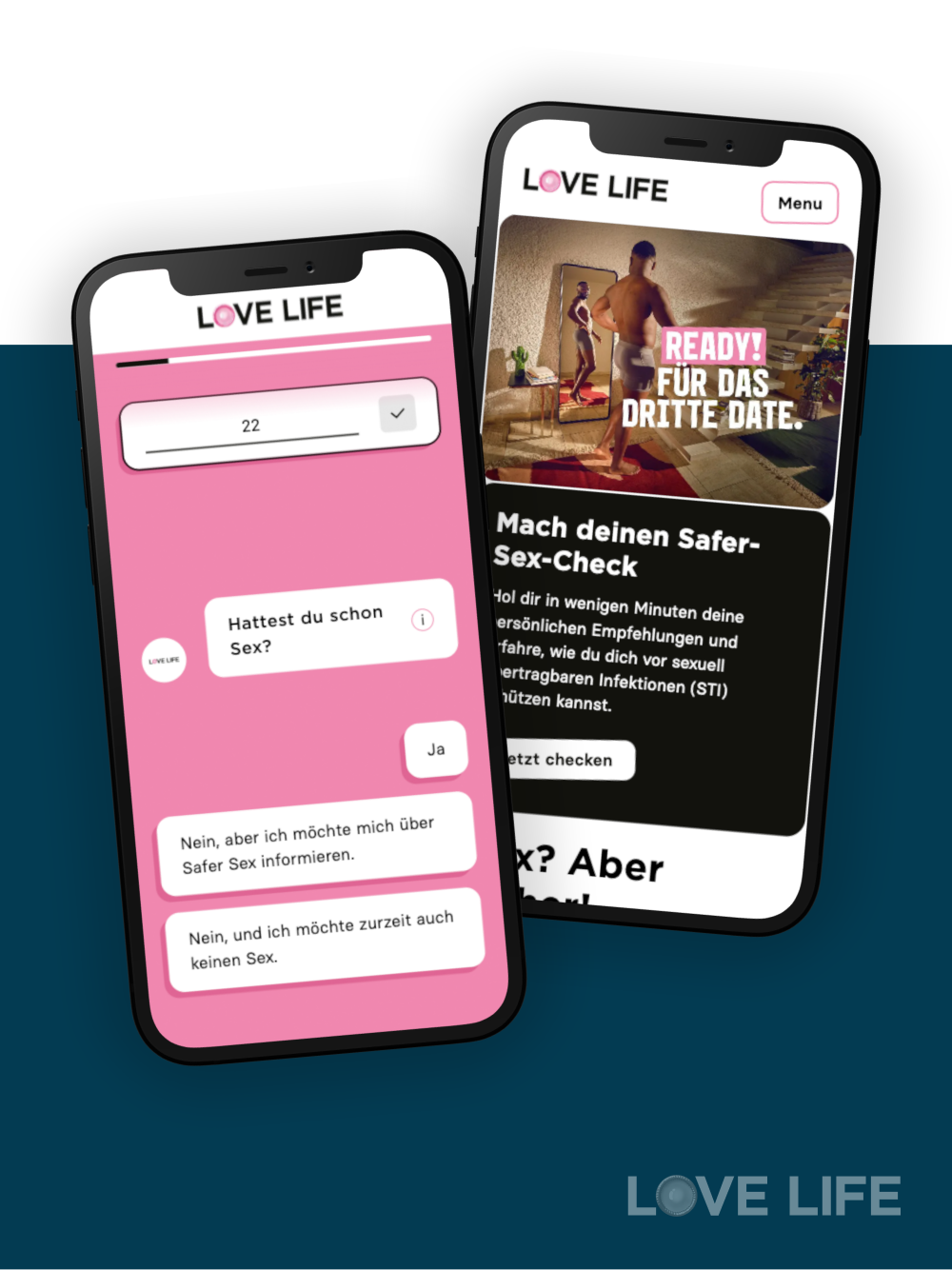
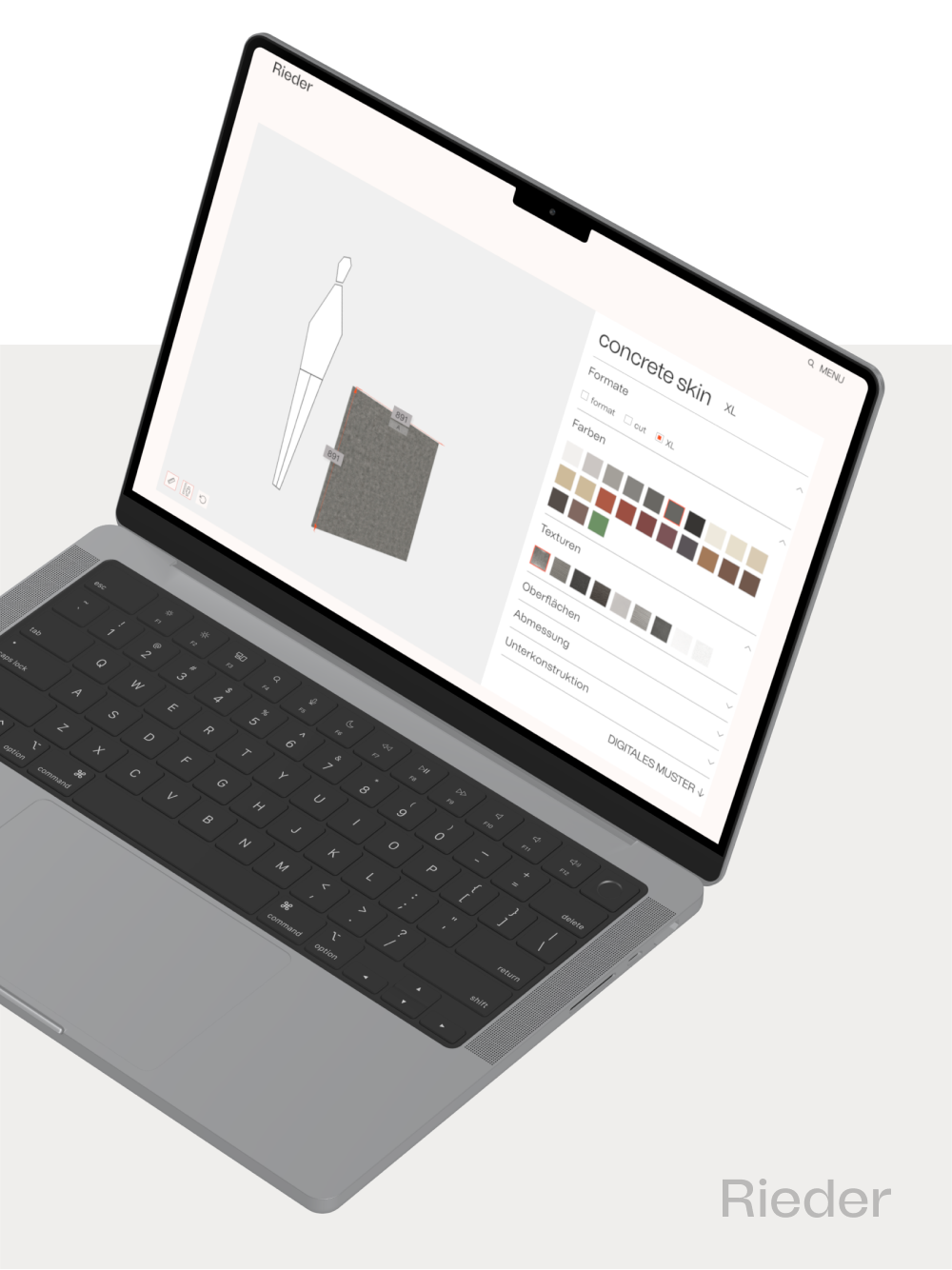
Headless CMS and traditional CMS in comparison
With the traditional CMS (Content Management System), the front end is heavily integrated into the CMS. The focus is not only on the content, but also on the layout and the communication channel (often only designed for websites). This loses flexibility and possibilities in the user interface. Today, content is in demand in a wide variety of places and on a wide variety of devices (website, mobile app, smartwatch, etc.). Accordingly, flexibility is a must.
This is where the headless CMS comes into play. With the headless CMS approach, the CMS (backend) and user interface (frontend) are decoupled from one another. With the headless approach, the CMS only takes care of the content and its structure. The front end is then exclusively responsible for the display. It doesn't matter whether it's a mobile app, a social media channel or a newsletter from a traditional website. With the headless CMS, the front end is optimized for the respective device and channel, which guarantees outstanding digital experiences.
FAQ - Frequently Asked Questions about Headless CMS
- What is a headless CMS?
A headless CMS is a content management system in which content management is separated from the front end. Content is managed centrally in the back end and delivered to various front ends—such as websites, apps, or other digital channels—via APIs. This allows companies to use content flexibly across multiple platforms and continue to develop their digital architecture independently of the presentation layer.
- When is a headless CMS worth using?
A headless CMS is particularly beneficial for companies with complex digital platforms, multiple websites, or omnichannel requirements. When content needs to be displayed not only on a website but also in apps, e-commerce platforms, or portals, a headless CMS offers clear advantages. By separating content from the front end, content can be managed centrally and used flexibly across various channels. This is particularly useful when there are high demands for scalability, integrations, or custom front ends.
- What are the advantages of a headless CMS over a traditional CMS?
The most significant advantage lies in the separation of content and presentation. This allows developers to build front ends independently of the CMS and leverage modern technologies. At the same time, content can be delivered to various channels via APIs. This enables greater flexibility, better scalability, and faster development of digital platforms.
- How does a headless CMS support omnichannel strategies?
With a headless CMS, content can be created once and delivered across various digital channels—such as websites, mobile apps, or digital services. This “create once, publish anywhere” strategy ensures consistent content across all touchpoints while reducing the maintenance workload for editorial and content teams.
- How does a headless CMS integrate into existing system landscapes?
Headless CMSs are built on APIs and can therefore be easily integrated into existing system landscapes. They are often connected to systems such as e-commerce platforms, CRM or ERP systems, and marketing tools. This creates a flexible architecture in which content and data can be used across different systems.
- How can a headless CMS be scaled over the long term?
Headless architectures are designed to scale as requirements grow. Because the frontend and backend are separate, individual components can be further developed or replaced independently. This allows companies to integrate new digital channels, markets, or features without having to rebuild their entire platform.
- What challenges are involved in implementing a headless CMS?
Implementing a headless CMS typically requires a clearly defined content architecture and a suitable technical platform strategy. Companies must structure their content and establish an appropriate integration architecture. At the same time, this approach offers greater flexibility and control over digital platforms in the long term.
- How does a headless CMS change the way content teams and developers collaborate?
By separating content from the front end, editors can manage content independently of the technical implementation, while developers work on the user interface in parallel. These parallel workflows enable faster releases, more efficient collaboration, and a higher pace of innovation.
- Is a headless CMS future-proof for digital platforms?
Headless architectures are considered particularly future-proof because they are not tied to specific front-end technologies. Content can be delivered to new platforms or devices via APIs without having to rebuild the CMS. This keeps the digital infrastructure flexible and allows it to adapt to new technologies or channels.
- How difficult is the transition to a headless CMS?
The transition to a headless CMS is less of a simple system upgrade and more of an architectural evolution of the existing platform. The effort involved depends heavily on the existing system landscape, content structure, and integrations. In many projects, a phased approach is therefore chosen, in which existing content and functions are gradually migrated to a headless architecture. This allows companies to modernize their platform without having to redevelop the entire website all at once.