Configurator software: standard or customized development?
What really counts when deciding on the right CPQ strategy
Between standard and customized: The best way to find the right CPQ solution
Anyone who wants to sell complex products or services digitally today can hardly avoid CPQ software. But when choosing the right solution, the central question quickly arises: should you opt for standard software with rapid availability or for an individual development that is precisely tailored to your own processes?
What is CPQ?
CPQ stands for Configure, Price, Quote and describes a software solution that goes far beyond mere configuration. A CPQ system includes not only the configurator, but also automated pricing and the creation of complete, sales-ready quotations.
CPQ combines product knowledge with pricing logic, sales guidelines and company processes and is usually connected to peripheral systems (e.g. ERP, CRM, PIM, etc.).
Typical functions:
- Intelligent product configuration (incl. variant logic)
- Dynamic, rule-based price calculation
- Automatic generation of CI-compliant offers
- Integration into existing system landscapes
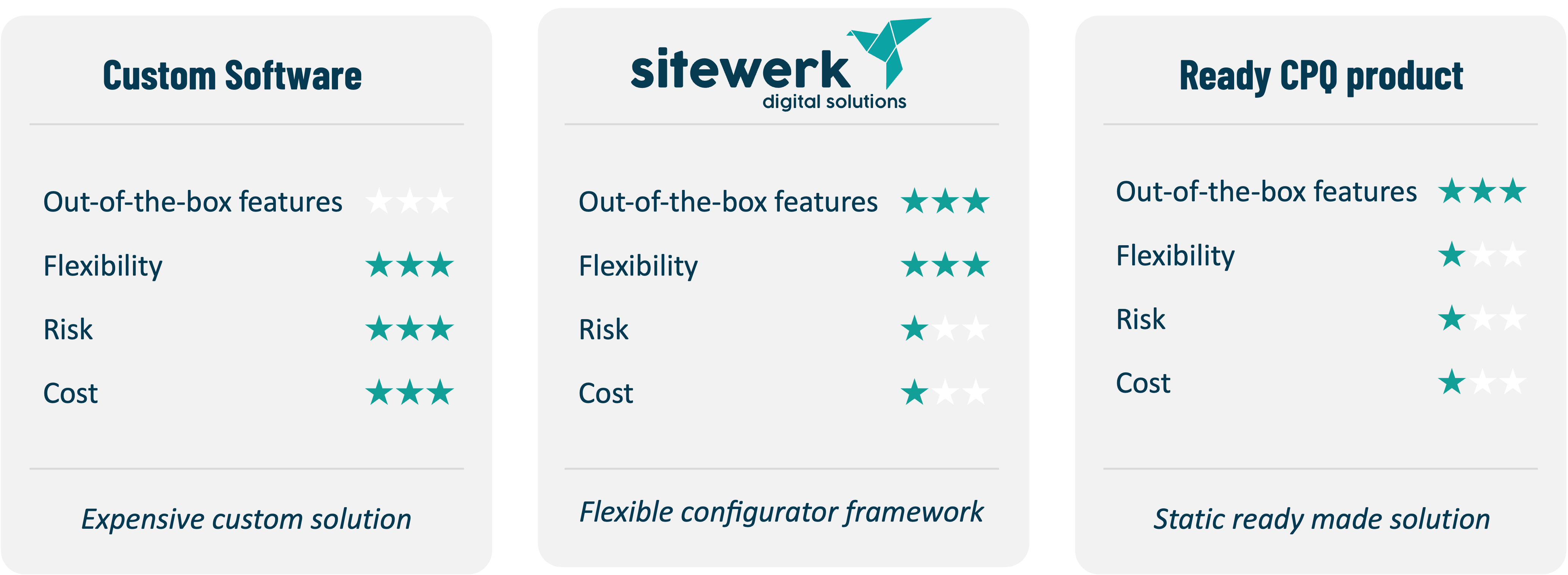
Standard software vs. framework: Why the middle way is often the best solution
Standard solutions allow you to get started quickly and already include many functions. Ready-made CPQ products are therefore very comprehensive and can be used immediately. However, this is precisely why they are also very cumbersome systems. Although they offer many functions out of the box, the majority of them are often not suitable for the intended solution, but still have to be paid for. As soon as specific functions or individual sales processes come into play, the limited flexibility, cumbersomeness and poor adaptability become apparent.
Individually developed software, on the other hand, offers maximum design freedom: it is adapted from the ground up to the specific requirements of the company, such as function, design and logic. However, this full flexibility comes at a price: longer development times and higher costs for implementation and maintenance are typical side effects.
The decision between the two approaches depends heavily on the project objectives. In many cases, a middle way is recommended: a flexible framework that combines proven standard functions with a high degree of customizability. In many projects, the combination in the form of a Sitewerk CPQ framework has proved successful. The framework offers all the advantages of a finished product, but retains the flexibility of customized software. It includes central standard functions such as user management with role and rights management, master data maintenance and the generation of quotations, leads and product logic. This saves development effort and costs, while the focus can be placed on the components that really add value.
The Sitewerk CPQ framework puts the user at the center. It offers individually designed, user-friendly interfaces that are perfectly tailored to the customer journey and corporate design. In contrast to conventional CPQ solutions, the user interface is designed specifically for the respective use case. All common CPQ functions are already integrated, so the focus of the project is on optimizing the user experience.
The system is flexible and suitable for almost any configurable product or service. Price and product logic as well as leads and users are easily managed via a central, intuitive admin interface.
Seamless integration with systems such as CRM, ERP or PIM via APIs enables an automated, digital sales process and improves efficiency in production and aftersales. The integrated service bus (middleware as a central communication platform) enables quick and easy connection to peripheral systems for end-to-end processes and maximum productivity.
Conclusion
A flexible CPQ framework is the best solution for modern sales processes. It combines the advantages of standard software and individual development. Efficiency, user-friendliness and scalability. Those who rely on a customizable solution today save time and resources and create a sustainable basis for digital sales.
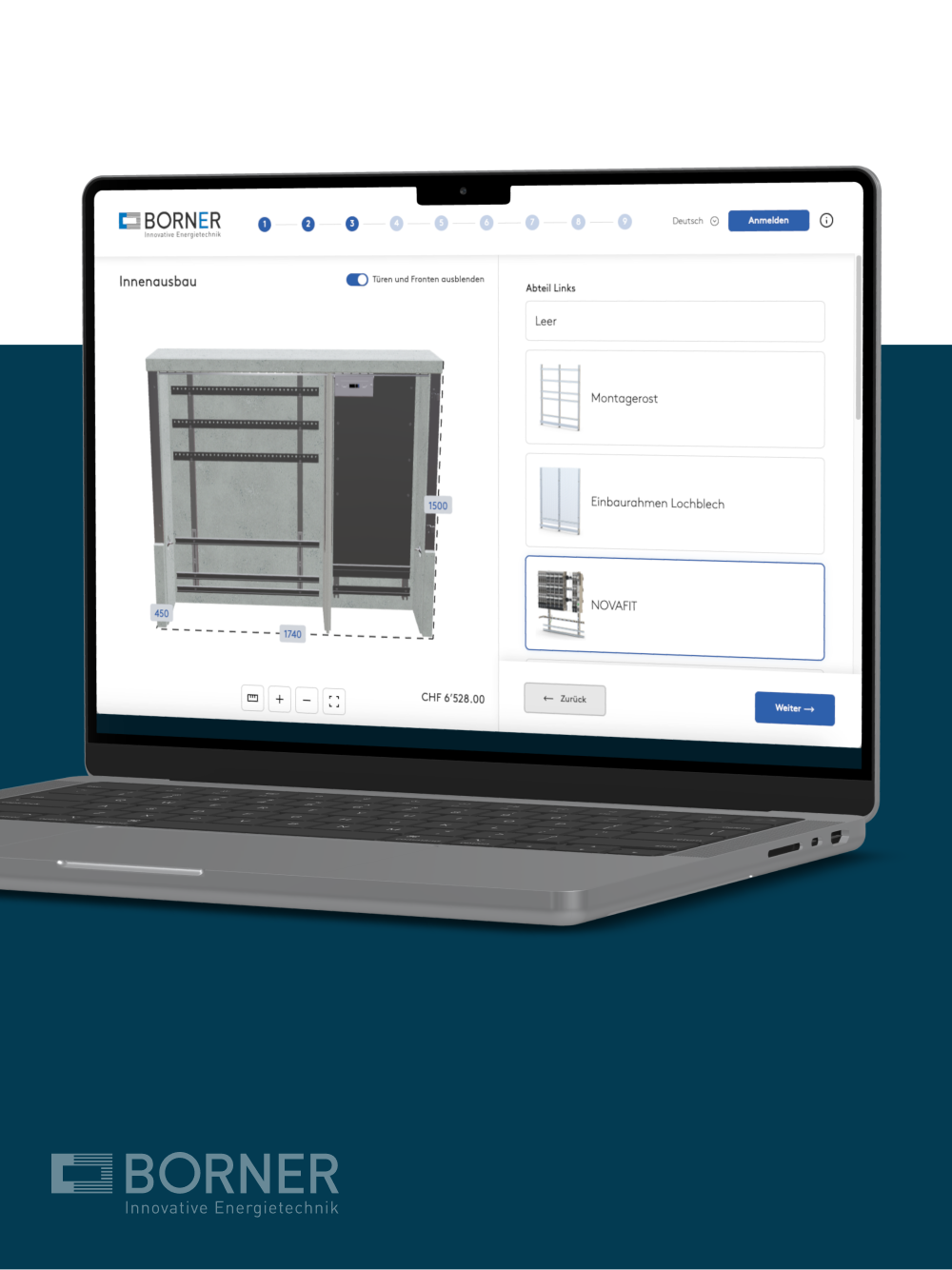
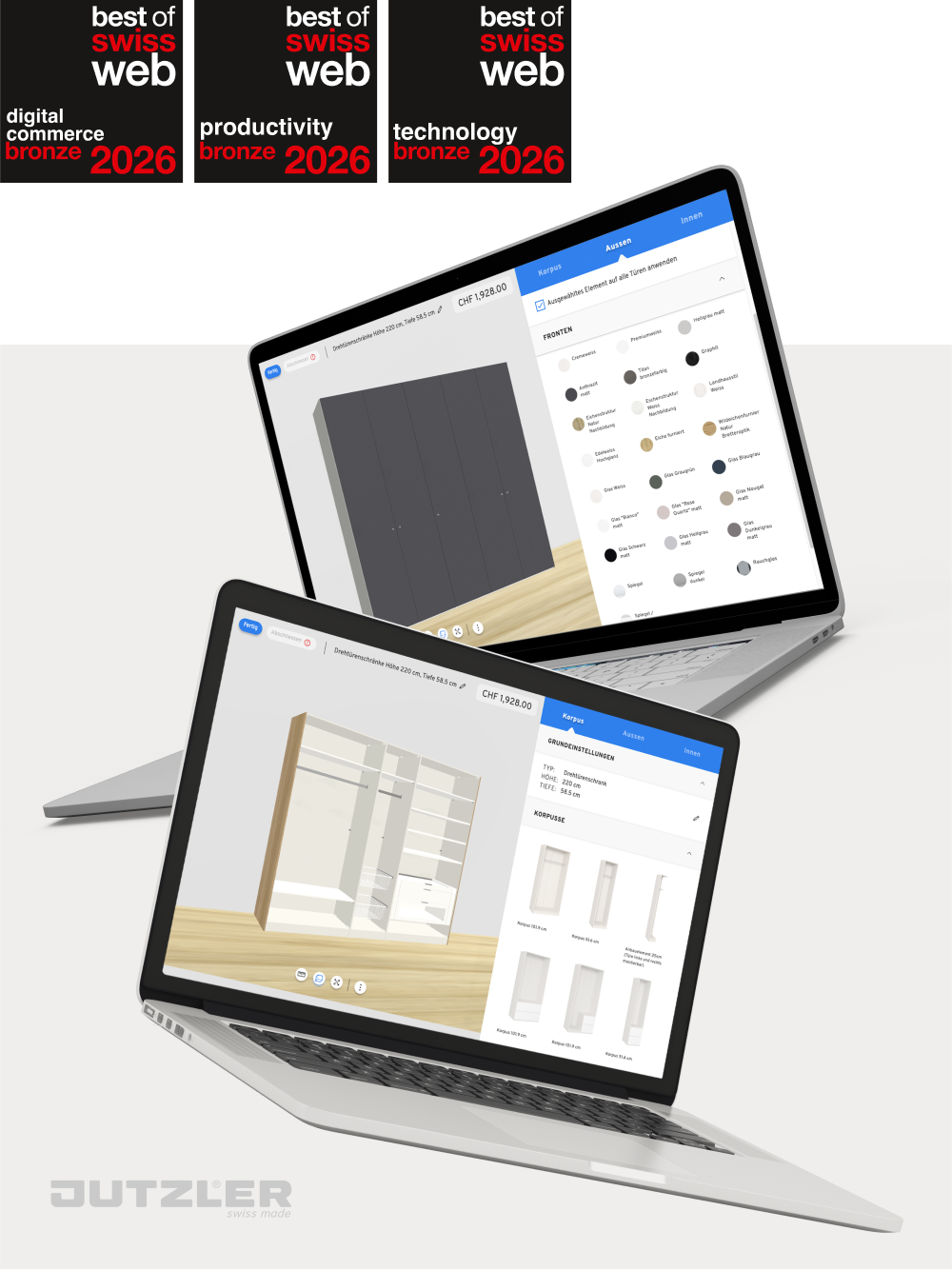
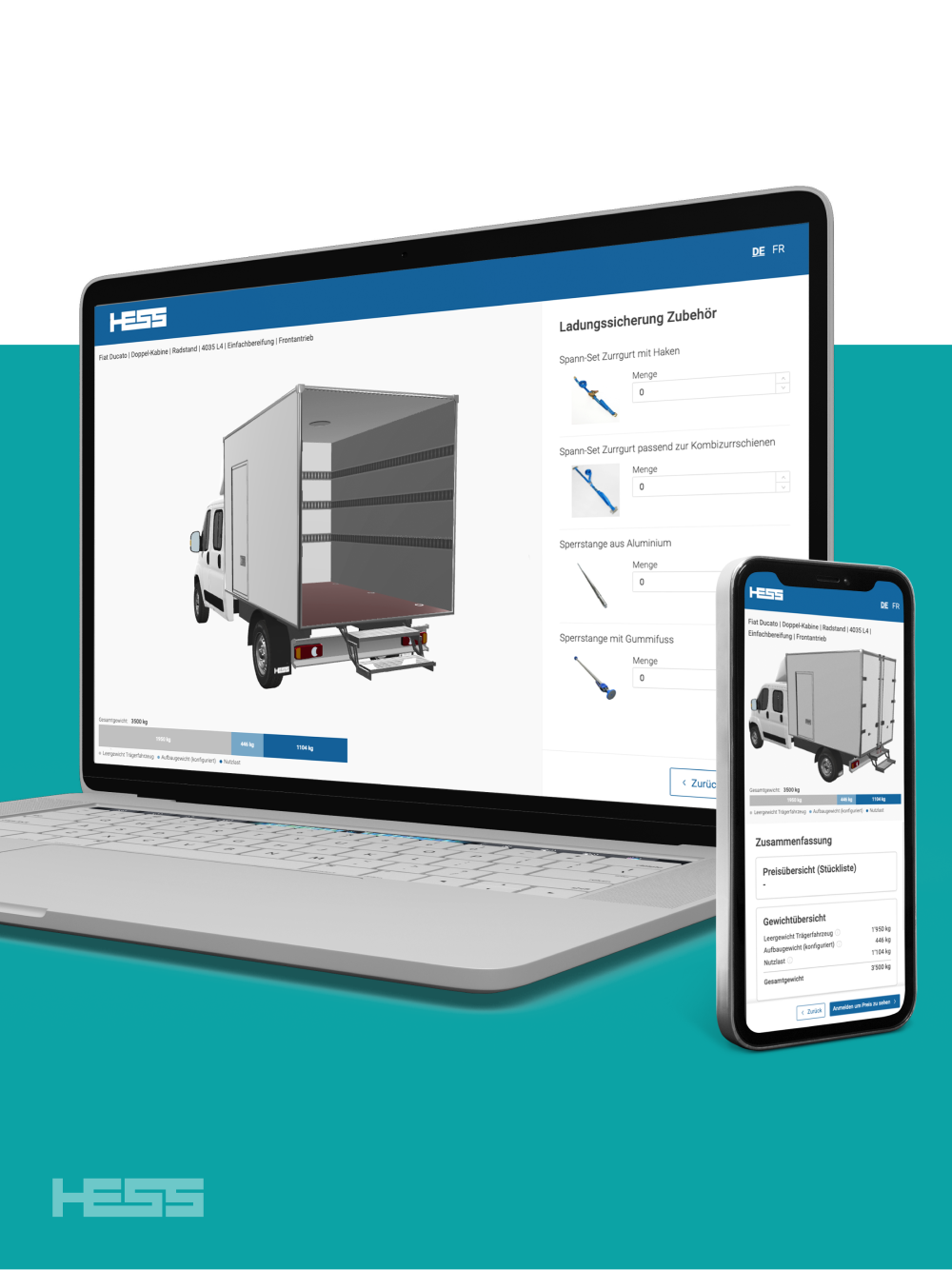
Some of our configurator projects

Projects