Custom Mobile Apps for Your Digital Business
Tailor-made apps that create real value
We develop custom apps for a wide range of applications
We develop mobile apps that efficiently map business processes and create key interfaces for customers and partners. They deliver fast performance, personalized content, real-time communication, and access to device data to increase engagement and strengthen customer loyalty. As daily companions on the home screen, apps enhance brand presence, enable push communication, and create exclusive user experiences. By integrating into existing systems, you gain valuable insights into user behavior and increase efficiency in the long term. Whether native app, hybrid solution, or PWA — we choose the right technology for your goals and deliver real value.
Why a Customized App?
Minimize manual effort and enable efficient workflows
Digitize processes
Stay top of mind with push notifications
Build customer loyalty
Integration, Personalized Content, Real-Time Communication, and more
Create value
Our Mobile App Solutions
PWA - Progressive Web App
React Native App
Hybrid App with Ionic Framework
Web Apps
Our Project Examples
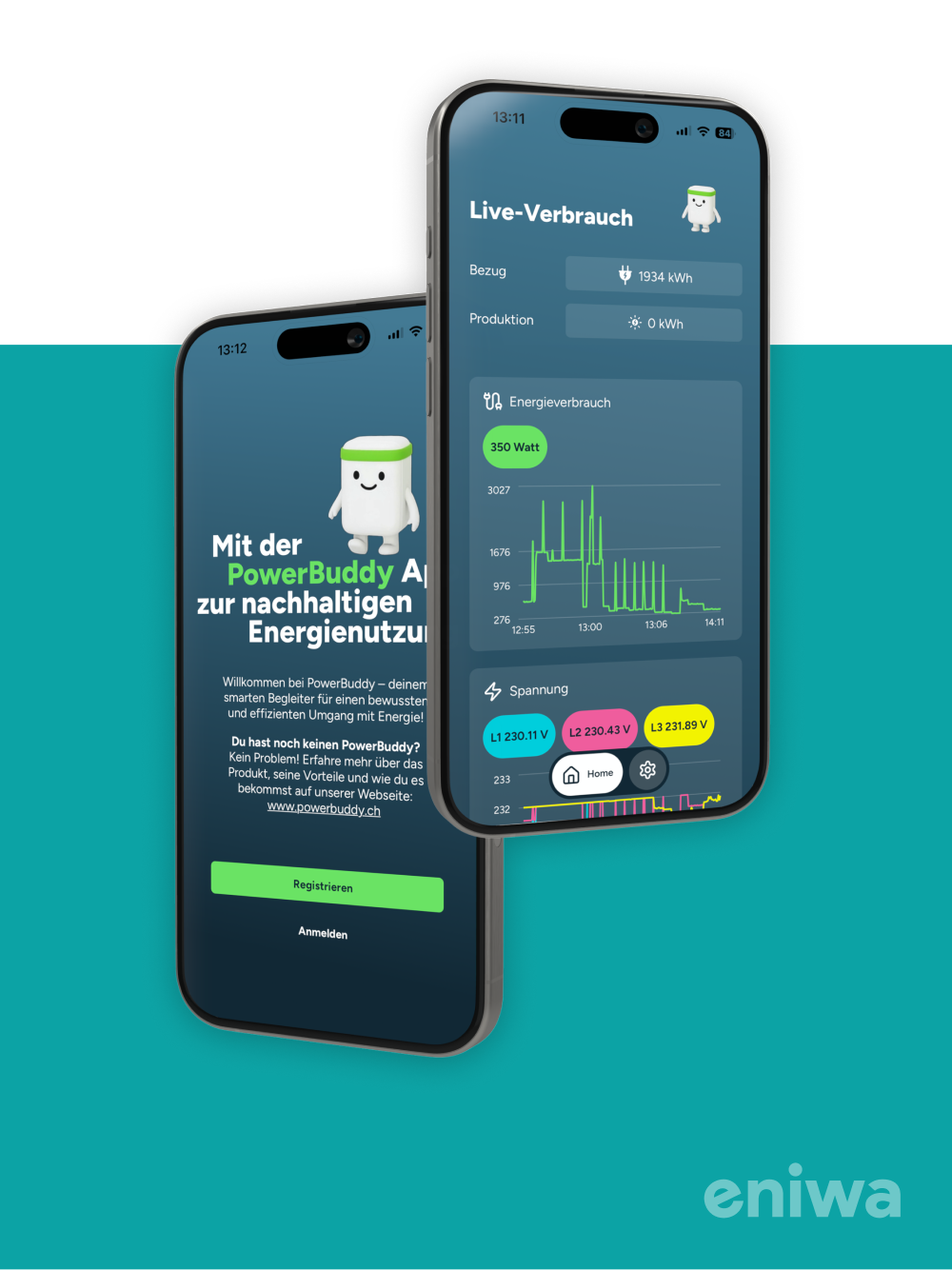
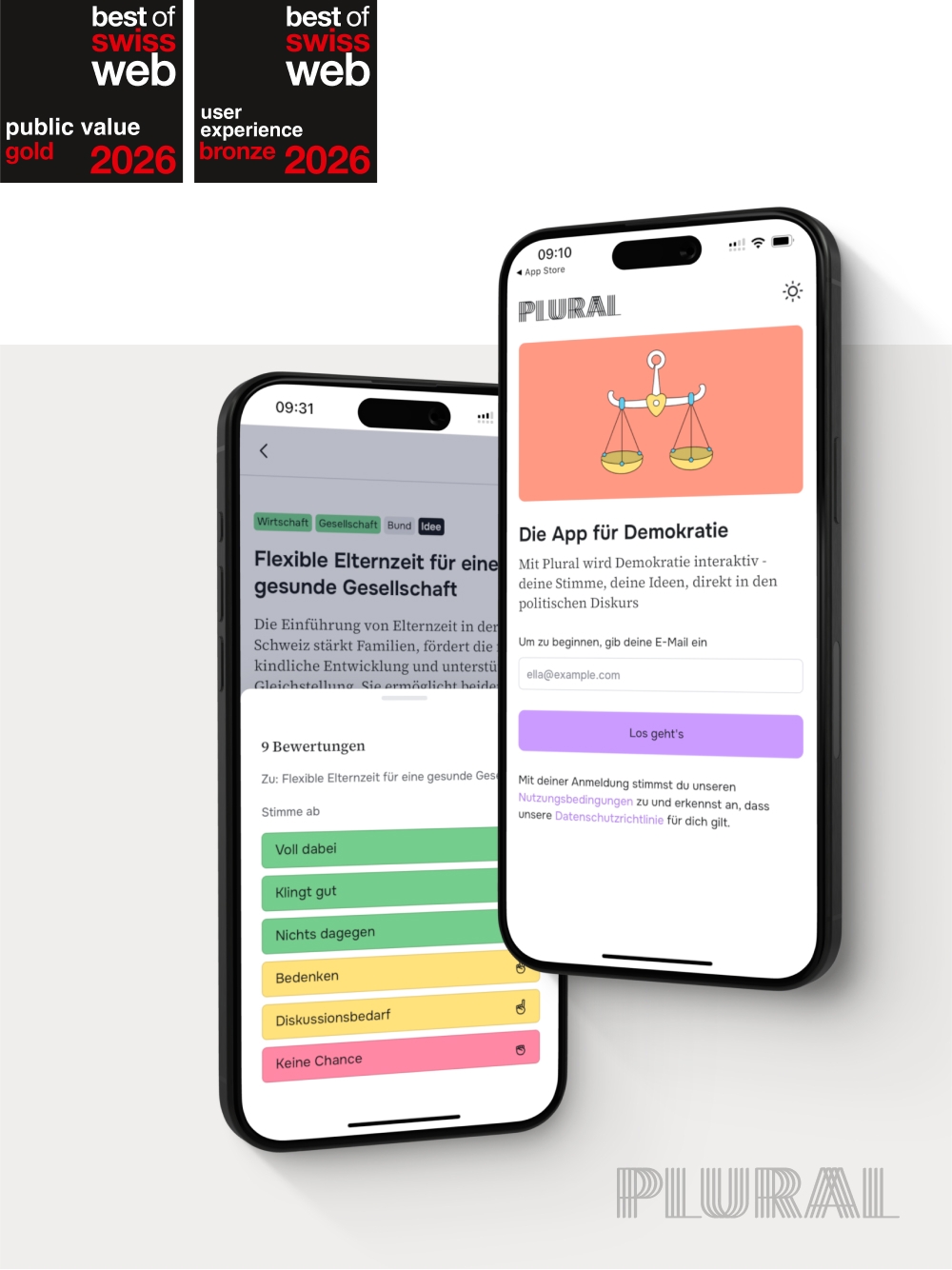
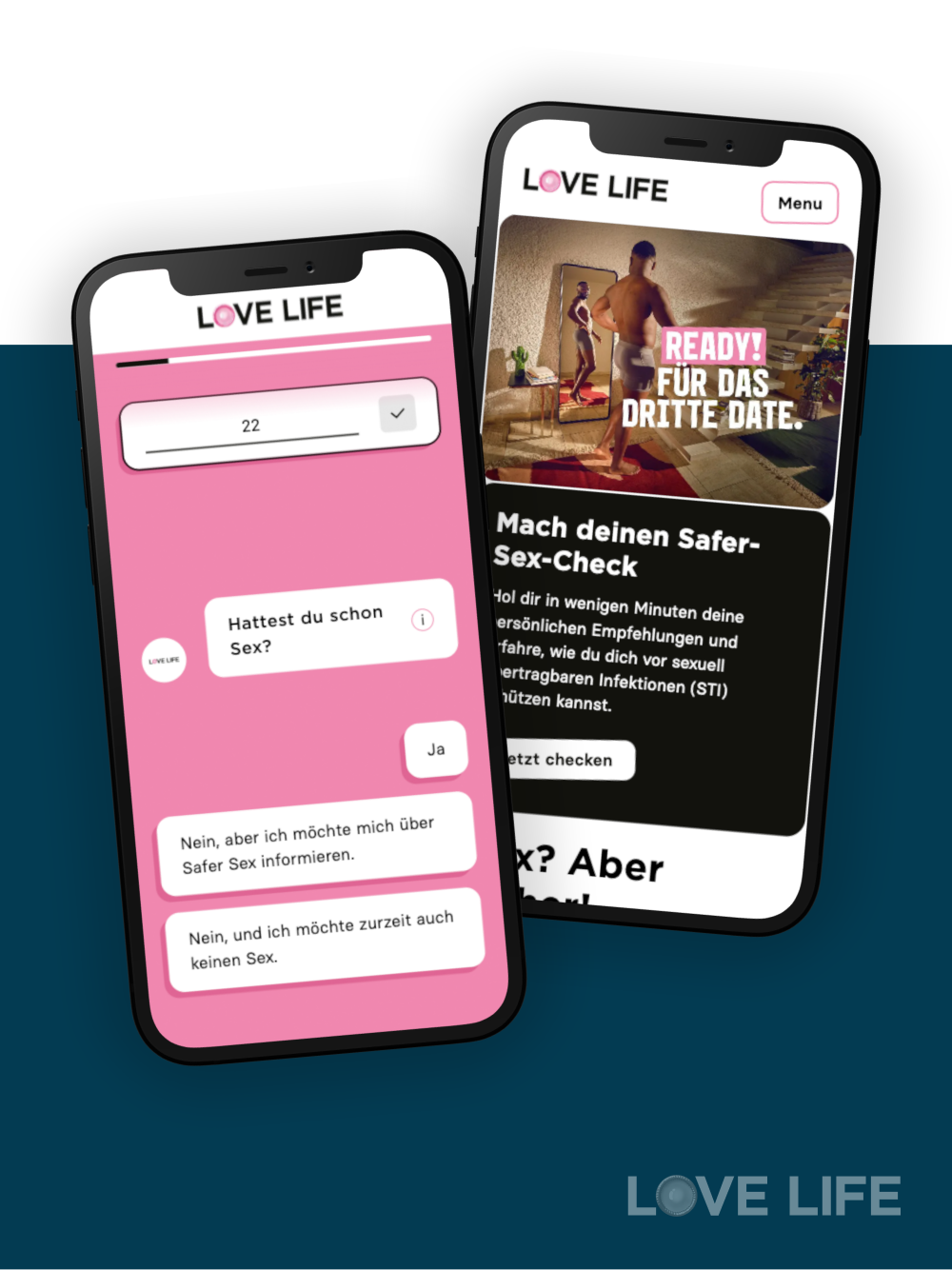
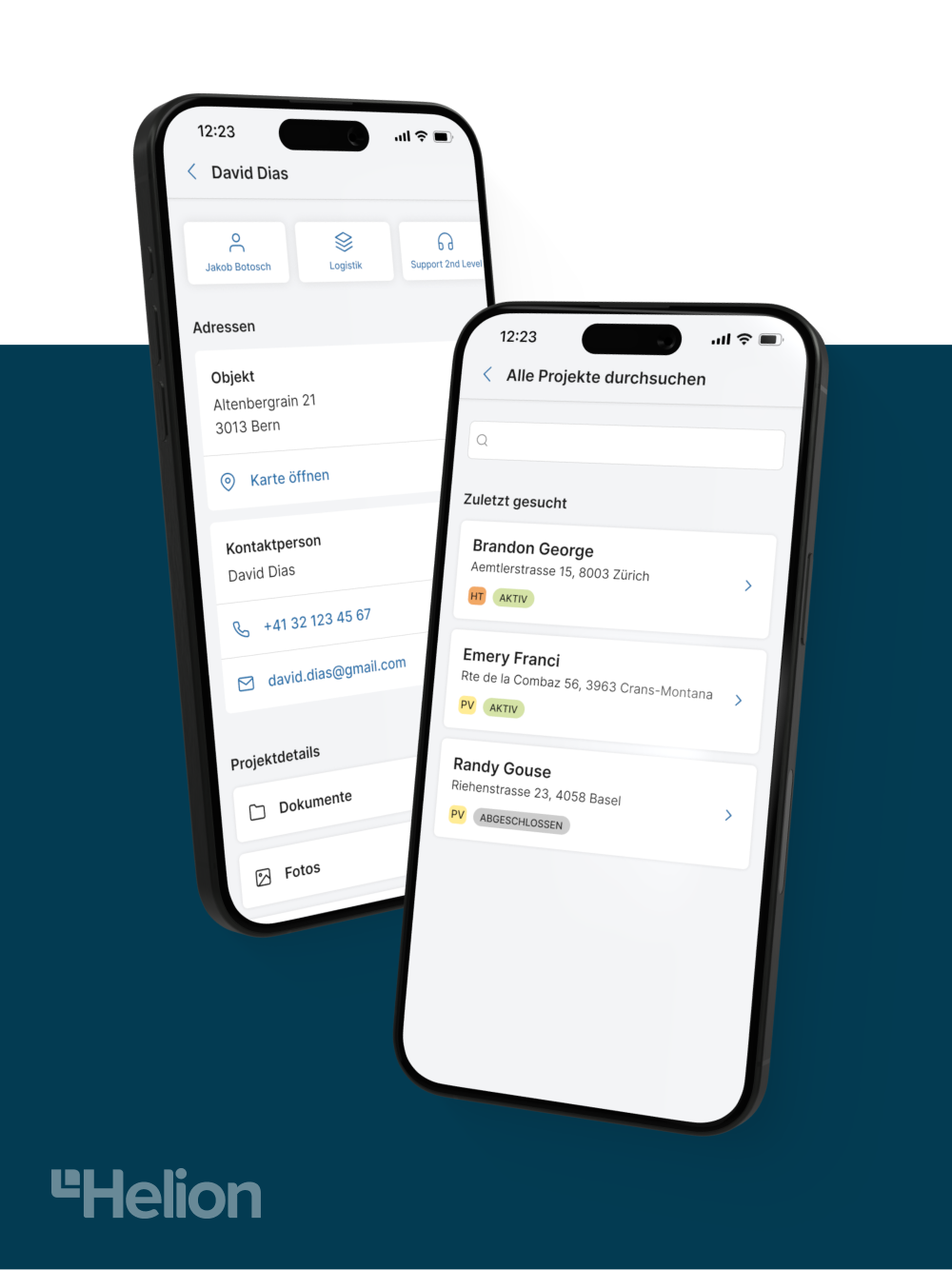
Projects
Our proven approach leads to tailor-made digital solutions
Define requirements
At the beginning of an app project, expectations must be evaluated — using methods such as the Value Proposition Canvas or User Story Mapping.
UX prototyping
Based on the requirements, initial wireframe sketches are created. These are then developed into a (clickable) prototype, which can already be used to carry out the first usability tests.
App design development
The next step is the detailed elaboration of the user interface (UI). The UX prototype serves as the foundation, from which the pixel-perfect design of the application is created.
Select Technology
The technology (web app, native app, hybrid app, PWA, etc.) for implementing the app is selected based on the defined criteria and the design.sis of the requirements, but also the design.
App Programming
Once the requirements have been defined and the design created, the app can be programmed.
Integrate CMS or backend
For the app to store and retrieve data or allow users to log in, a backend — or alternatively a headless CMS — is required.
Testing and Iteration
Even if the app is continuously tested during development, it must be tested on many different devices, operating systems and browsers before it goes live.
Go-Live and App Stores
After the new mobile app has been successfully put into operation, the app must go through the acceptance processes of the Google or Apple app stores.
We accompany you with our services, from the idea to the implementation and maintenance of the solution.
Services
Manage Content in the Headless CMS
Almost every app displays content to users. To enable administrators to easily edit and add to this content, the app is integrated with a content management system (CMS). Modern headless CMS platforms are designed specifically for this use case and allow for flexible editing of app content that is decoupled from the website. These can use the same CMS.
FAQ - Frequentliy Asked Questions
- What is a mobile app?
A mobile app is an application specifically developed for smartphones or tablets. It can function as a standalone application or be connected to existing systems such as websites, platforms, or enterprise software. Apps allow companies to provide services and functionality directly on mobile devices.
- When does it make sense for a company to develop an app?
An app is particularly useful when users interact with a service regularly or when mobile functionality is required. Examples include digital customer services, partner platforms, internal applications for employees, or mobile tools for sales and service teams. Apps can simplify processes and give users fast access to important features.
- Which type of app is best suited for your business idea?
Choosing the right technology for your app depends on several factors. Who is your target audience? What requirements do you and your users have? Are there existing system constraints or integrations to consider? Should the app be available on all mobile devices, and should desktop users also have access? Many aspects need to be evaluated. Together with you, we analyze these factors to determine the most suitable solution for your business.
- How much does app development cost?
The cost of developing an app depends on its complexity, features, and supported platforms. A simple app is significantly less expensive than a complex solution with multiple integrations. We provide a tailored estimate for each project based on your specific requirements.
- Should an app be developed for iOS and Android?
In most projects, apps are developed for both platforms in order to reach the widest possible audience. There are different approaches for this. Apps can be developed natively for each platform separately, or using cross-platform technologies that allow a shared codebase for both platforms. Frameworks such as Flutter or React Native make it possible to develop an app once and deploy it on both iOS and Android. The right approach depends on requirements, performance needs, and long-term development strategy.
- How does an app differ from a website or web app?
Websites are accessed through a browser, while apps are installed directly on the mobile device. This allows apps to use features such as push notifications, offline functionality, or device sensors. Web apps, on the other hand, run in a browser without installation and are easily accessible via a link.
- Can apps be integrated with existing systems?
Yes. Apps are often connected to existing systems such as CRM, ERP, or e-commerce platforms. This allows data, content, and functionality from other systems to be used directly within the app—for example for customer accounts, orders, or service processes.
- How long does it take to develop an app?
The development timeline depends on the scope and complexity of the app. Smaller applications can often be developed within a few months, while larger platforms require more time. Many projects start with an initial version that is later expanded and refined.